
What Is an SEO Report Site?
An SEO report site is a website or online tool that analyses how well a website is performing in search engines. It gathers information about factors that can affect visibility, such as page titles, loading speed, mobile usability, links and technical issues, then presents the findings in a report.
SEO reports can help website owners understand what is working, identify problems and decide which improvements to make first. They are useful for businesses, marketers, developers and anyone responsible for maintaining a website.
What Does an SEO Report Include?
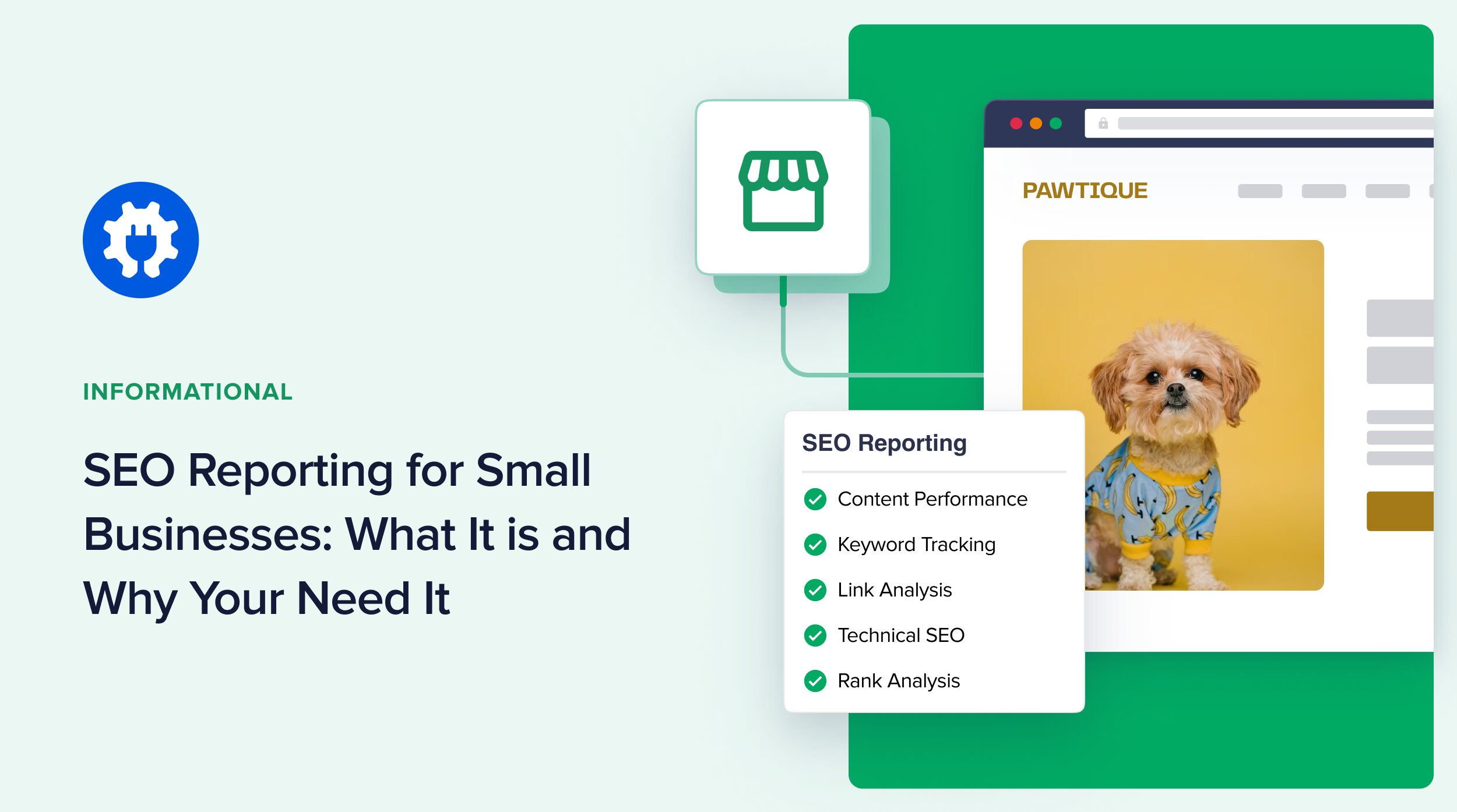
The features vary between tools, but a typical SEO report may cover:
- Technical SEO: crawl errors, broken links, redirects, duplicate pages and sitemap issues.
- On-page SEO: title tags, meta descriptions, headings, image alt text and page content.
- Site performance: page speed, mobile experience and other usability signals.
- Backlinks: links from other websites, including their quantity and quality.
- Search visibility: keyword rankings, impressions, clicks and changes over time.
- Competitor insights: comparisons that may reveal opportunities or areas to investigate.
Why Use an SEO Report Site?
Search engine optimisation involves many connected factors, so it can be difficult to assess a website by eye alone. An SEO report site brings relevant information together in one place. This can make it easier to spot issues, track progress and explain findings to colleagues or clients.
Reports are particularly helpful when used regularly. Comparing results over time can show whether changes have improved performance, while scheduled checks can help uncover new technical problems before they affect visitors or search visibility.
How to Choose the Right Tool
Before using an SEO report site, consider what you need it to do. Some tools focus on quick website checks, while others provide in-depth audits, keyword tracking or backlink analysis. Look for clear explanations, practical recommendations and data that is easy to understand.
It is also worth checking whether the tool has limits on the number of pages, reports or searches available. If you are entering website or business information, review the provider’s privacy and data-handling policies.
How to Use an SEO Report Effectively
An SEO report is a starting point, not a complete strategy. Automated tools can flag potential issues, but their recommendations may not suit every website. Review each finding in context and prioritise changes according to their likely impact, effort and relevance to your visitors.
- Run a report to establish a baseline.
- Check important findings manually, especially before making technical changes.
- Prioritise issues that affect access, usability or the clarity of key pages.
- Make changes methodically and keep a record of what was updated.
- Run another report and compare the results over time.
Reports Are Only Part of SEO
A strong SEO approach also depends on useful content, a good experience for visitors and a website that is easy to navigate. An SEO report site can help reveal opportunities and problems, but it cannot replace thoughtful planning or an understanding of the people a website is intended to serve.
Used as part of a regular review process, an SEO report site can turn complex website data into practical next steps. The most valuable report is not necessarily the longest one; it is the one that helps you make informed improvements and measure their results.
7 Tips for Creating an Effective SEO Site Report
- Track organic traffic and rankings.
- Check technical SEO issues regularly.
- Monitor backlinks and referring domains.
- Report progress against clear goals.
- Use UK keyword variations where relevant.
- Highlight changes with simple charts.
- Include actionable recommendations in every report.
Track organic traffic and rankings.
Track organic traffic and keyword rankings regularly to understand how your website is performing in search results. An SEO report site can show how many visitors arrive from unpaid search listings, which pages attract them and how your rankings change over time. Look for sustained trends rather than reacting to small daily fluctuations, and use the findings to improve pages that are losing visibility or build on content that is performing well.
Check technical SEO issues regularly.
Check technical SEO issues regularly to make sure search engines and visitors can access and use your website without problems. Review your SEO report for broken links, crawl errors, slow-loading pages, missing redirects and mobile usability issues. Fixing these promptly can help keep your site healthy and make it easier for search engines to understand and index your content.
Monitor backlinks and referring domains.
Monitor your backlinks and referring domains regularly to understand which websites are linking to yours and how your link profile changes over time. Look for relevant, trustworthy sites that can bring genuine value, and investigate sudden drops, unusual spikes or links from suspicious sources. A good SEO report site can help you track these trends, but review the context before taking action: not every low-quality-looking link is harmful, and removing or disavowing links without a clear reason may do more harm than good.
Report progress against clear goals.
Report progress against clear goals by choosing specific measures before you begin, such as organic visits, search rankings, enquiries or sales. An SEO report site can then help you track these metrics over time and show whether your work is moving towards the results you want. Review the figures regularly, note any changes made and consider what may have influenced the outcome. This makes reports more useful than a list of statistics and helps you decide what to improve next.
Use UK keyword variations where relevant.
When reviewing your SEO report, check whether your content uses the terms your UK audience is likely to search for. Search habits and spelling can vary by region, so use relevant UK keyword variations—such as “car hire” rather than “car rental”, or “optimisation” rather than “optimization”—where they read naturally. Avoid forcing alternatives into your copy; focus on clear, useful content that reflects how your customers speak.
Highlight changes with simple charts.
Highlighting changes with simple charts makes an SEO report easier to understand at a glance. Use clear line or bar charts to show trends in organic traffic, keyword rankings, clicks or impressions over time, and label important dates when changes were made. Keep each chart focused on one or two measures, use consistent colours and add a brief explanation so readers can quickly see what has improved, declined or stayed steady.
Include actionable recommendations in every report.
Include clear, actionable recommendations in every SEO report so readers know exactly what to do next. Rather than simply listing issues, explain their likely impact, suggest specific steps to address them and, where possible, prioritise tasks by importance and effort. For example, recommend updating missing page titles before tackling lower-impact improvements. This makes the report more useful, helps teams focus their time and makes it easier to measure progress in future reports.
Tags: backlinks, competitor insights, keyword rankings, mobile usability, on-page seo, organic traffic, page speed, search engine optimization, search results tracking, search visibility, seo audit, seo recommendations, seo report site, seo reports, technical seo, website analytics, website performance