
How to Create and Understand an SEO Report for a Website
An SEO report gives a clear picture of how well a website is performing in search engines and where it could improve. Rather than presenting a collection of numbers without context, a useful report explains what the data means, highlights opportunities and sets out practical next steps.
Whether you manage a small business website, an online shop or a larger organisation’s digital presence, regular SEO reporting can help you understand how people find and use your site—and whether your search strategy is delivering results.
What is an SEO report?
An SEO report is a summary of a website’s performance in organic search. It usually brings together information about search visibility, website traffic, keyword rankings, technical health and user behaviour. Reports may cover a specific period, such as a month or quarter, and compare results with an earlier period.
The purpose is not simply to show whether numbers have gone up or down. A good report helps explain why changes may have happened and what actions are likely to make a difference.
Key areas to include
Organic traffic
Organic traffic is the number of visits that come from unpaid search results. A report should show how this traffic has changed over time and, where possible, which landing pages are attracting visitors. It is also useful to distinguish between total traffic and visits that lead to a meaningful action, such as an enquiry, purchase or newsletter sign-up.
Search visibility and keyword performance
Keyword data can show which search terms are bringing people to the site and how pages are ranking for relevant queries. Look for changes in rankings, impressions and clicks, but avoid focusing on a long list of individual keywords without considering their relevance. Search intent matters: the aim is to appear for searches made by people who are likely to value the content or services on offer.
Click-through rate
Click-through rate (CTR) is the proportion of people who see a page in search results and click through to it. A page may receive many impressions but relatively few clicks. This could indicate that its title or description needs improvement, or that the search results do not match what users expect.
Technical SEO
Technical checks help identify issues that may prevent search engines from finding, crawling or understanding a website. These can include broken links, slow-loading pages, duplicate content, mobile usability problems, missing page titles and indexing errors. An SEO report should prioritise issues by their likely impact rather than presenting every warning as equally urgent.
Content and landing-page performance
Review the pages that attract the most organic traffic, as well as pages that have lost visibility or are receiving few visits. Consider whether the content is accurate, useful, clearly structured and aligned with what visitors are searching for. The report can also identify gaps where new or improved content may help answer relevant questions.
Conversions and business outcomes
Traffic alone does not show whether SEO is supporting the organisation’s goals. Where suitable tracking is in place, include conversions such as sales, bookings, enquiries or downloads. Connecting search performance with business outcomes makes it easier to judge which pages and activities are delivering genuine value.
How to make the data useful
Start by defining the purpose of the report and choosing a small set of meaningful measures. Use consistent date ranges and compare like with like; for example, a monthly comparison should take seasonal patterns and changes in demand into account. Clearly label data sources and explain any limitations, such as tracking changes or incomplete conversion data.
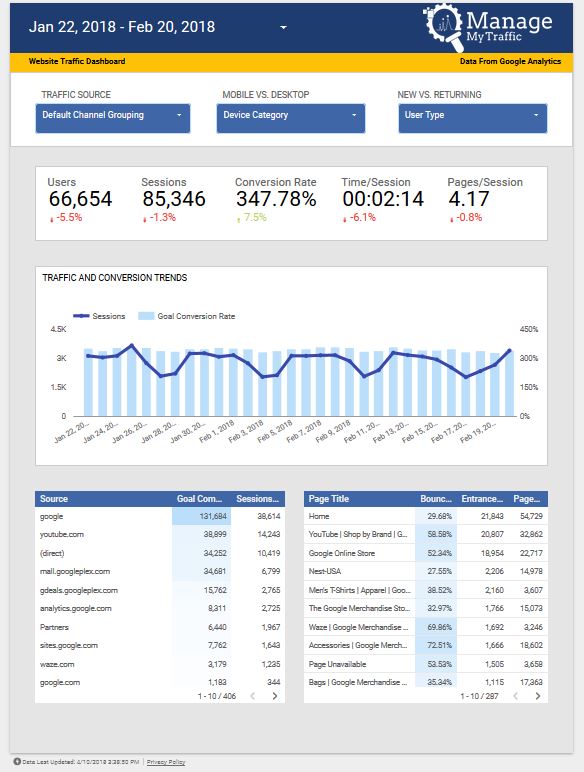
Charts and tables can make trends easier to understand, but they should be accompanied by concise commentary. If organic clicks have fallen, explain which pages or search terms were affected and investigate possible causes before recommending a response. A change in performance may relate to competition, seasonality, a website update or a search engine change—not necessarily one single factor.
Common mistakes to avoid
- Reporting rankings without explaining whether the keywords are relevant.
- Focusing on traffic while ignoring conversions and business objectives.
- Including too many metrics, making the main findings difficult to spot.
- Comparing periods without considering seasonality or changes in tracking.
- Listing technical issues without prioritising them or recommending next steps.
- Assuming that a correlation proves one change caused another.
Turn findings into an action plan
Every SEO report should end with a practical plan. Actions might include fixing important crawl or indexing problems, improving pages with strong impressions but a low CTR, refreshing outdated content or strengthening pages that are close to ranking well for relevant searches.
For each action, record its priority, owner and target date. This makes it possible to review progress in the next report and assess whether the work has had the intended effect.
Conclusion
A well-prepared SEO report turns website data into clear decisions. By combining search visibility, traffic, technical checks, content performance and conversions, it provides a balanced view of what is working and what needs attention. The most useful reports are accurate, easy to understand and focused on specific actions that support the website’s wider goals.
Essential FAQs on Crafting and Understanding SEO Reports for Websites
- How to do SEO analysis of a website?
- How do you SEO report a website?
- What does an SEO report include?
- How do I write a SEO report?
- How to generate a SEO report for your website?
- How do I write a good SEO report?
- What is the SEO review of a website?
- What is an SEO report?
- What should an SEO report contain?
How to do SEO analysis of a website?
To analyse a website’s SEO, begin by checking how well its pages are indexed and identifying any technical issues, such as broken links, slow loading times or poor mobile usability. Use tools such as Google Search Console and analytics platforms to review organic traffic, search impressions, clicks and conversions, then assess which keywords and pages are performing well. Check that page titles, headings, content and internal links are relevant and useful to visitors, and compare the site with competitors to spot opportunities. Finally, prioritise the findings by impact and effort, and turn them into a clear action plan that can be reviewed over time.
How do you SEO report a website?
To SEO-report a website, first define the goals and reporting period, then gather data from tools such as Google Search Console and Google Analytics. Review organic clicks and impressions, keyword visibility, landing-page performance, conversions and technical issues such as indexing, mobile usability and page speed. Compare results with a previous period, explain notable changes in plain English and focus on what the data means for the website’s goals. Finish with prioritised recommendations, assigned actions and clear measures for checking progress in the next report.
What does an SEO report include?
An SEO report typically includes an overview of a website’s organic search performance, such as search traffic, keyword rankings, impressions and click-through rates. It may also cover technical health, including indexing, page speed and mobile usability, alongside content and landing-page performance, backlinks and conversions. A useful report explains what the figures mean, highlights changes or issues, and recommends practical next steps.
How do I write a SEO report?
To write an SEO report, start by defining its purpose, audience and reporting period, then gather reliable data from tools such as Google Search Console, Google Analytics and a website crawler. Summarise the key measures—organic clicks and visits, search impressions, keyword performance, landing-page results, technical issues and relevant conversions—and compare them with a suitable previous period. Explain what the figures mean, note any likely influences such as seasonality or website changes, and avoid presenting metrics without context. Finish with a short, prioritised action plan that names the recommended tasks, owners and timescales.
How to generate a SEO report for your website?
To generate an SEO report for your website, start by deciding what you want to measure, such as organic traffic, search impressions and clicks, keyword performance, technical health and conversions. Gather data from tools such as Google Search Console, Google Analytics and a website-crawling tool, then compare a consistent reporting period with the previous period. Highlight the most important changes, explain what may have caused them and finish with clear, prioritised actions—for example, fixing indexing issues or improving pages with high impressions but few clicks. Ensure the report is easy to understand and focuses on outcomes that matter to your website’s goals.
How do I write a good SEO report?
To write a good SEO report, focus on the website’s goals and include the metrics that show progress towards them, such as organic traffic, search impressions, clicks, keyword performance, technical health and conversions. Compare results over consistent time periods, explain significant changes in plain English, and use clear charts or summaries where they help. Most importantly, turn the findings into a prioritised action plan, so readers know what is working, what needs attention and what should happen next.
What is the SEO review of a website?
An SEO review of a website is an assessment of how well it is set up to appear in search engine results and attract relevant visitors. It typically looks at technical factors, such as site speed, mobile usability and indexing, as well as page content, keywords, links and user experience. The review identifies strengths and issues that may affect search visibility, then recommends practical improvements to help the website perform better in organic search.
What is an SEO report?
An SEO report is a summary of how a website is performing in unpaid search results. It brings together key information such as organic traffic, search rankings, clicks, technical issues and page performance to show what is working and where improvements may be needed. A useful report also explains what the findings mean and recommends practical next steps to help the website become more visible and attract relevant visitors.
What should an SEO report contain?
An SEO report should contain a clear overview of organic search performance, including traffic, search impressions, clicks, click-through rates and keyword visibility. It should also cover important landing-page performance, conversions, technical issues such as crawling or indexing problems, and any changes compared with a previous period. The most useful reports explain what the figures mean, highlight the main opportunities or concerns, and finish with prioritised recommendations and next steps.
Tags: action plan, business outcomes, click-through rate, content performance, conversions, crawlability, indexing errors, keyword performance, keyword rankings, landing-page performance, organic search, organic traffic, search engine rankings, search intent, search visibility, seo metrics, seo report, seo report of a website, seo reporting, technical seo, website optimization, website performance, website traffic