
Crane Safety: A Practical Guide to Safer Lifting
Cranes make it possible to lift and move heavy loads efficiently, but every lift carries risks. A falling load, crane overturning, contact with overhead power lines or failure of equipment can cause serious injury, damage and disruption. Safe crane operations depend on careful planning, suitable equipment and clear communication at every stage.
Plan the lift before work begins
Every lift should be planned by someone with the appropriate knowledge and experience. The level of planning should reflect the complexity and risk involved. A straightforward lift may need a simple, documented plan, while a complex or high-risk lift may require a detailed method statement and input from an appointed person.
Before work starts, establish:
- the load’s weight, dimensions, centre of gravity and lifting points;
- the crane’s capacity and configuration for the planned lift;
- the lifting accessories required and their safe working limits;
- the route the load will travel, including any obstructions;
- ground conditions, underground services and the need for suitable outrigger mats or supports;
- weather limits, visibility and other site conditions; and
- who is responsible for operating, supervising and signalling the lift.
Never estimate a load’s weight when reliable information can be obtained. If the weight or lifting arrangement is uncertain, stop and resolve the uncertainty before proceeding.
Use suitable, properly maintained equipment
The crane and all lifting accessories must be appropriate for the task and kept in safe working condition. This includes items such as slings, chains, shackles, hooks and lifting beams. Check that equipment is identifiable, has the correct capacity and is free from visible damage or defects before use.
In the UK, lifting equipment is subject to requirements under the Lifting Operations and Lifting Equipment Regulations 1998 (LOLER). These include requirements for safe planning and supervision of lifting operations, and for equipment to be thoroughly examined by a competent person at the required intervals or in accordance with a written scheme of examination. The Provision and Use of Work Equipment Regulations 1998 (PUWER) also apply to work equipment. Employers and those in control of work should ensure they understand and meet their legal duties.
Check the site and the ground
A crane can become unstable if it is set up on weak, uneven or poorly prepared ground. Assess the ground’s ability to support the crane and its outrigger loads, taking account of drains, basements, trenches, embankments and underground services. Use the correct support arrangements and follow the crane manufacturer’s instructions.
Set up the crane on firm, level ground where possible. Keep the working area clear and ensure there is enough space for the crane, its boom, the load and the people involved. Consider nearby buildings, vehicles, other work activities and overhead power lines when choosing the crane’s position and lift route.
Keep people clear of danger
Establish an exclusion zone around the crane and the load’s path. Only people who need to be involved in the lift should enter the controlled area. Never allow anyone to stand beneath a suspended load, and do not lift a load over people where it can be avoided.
Where a load could fall or swing into an area accessible to others, use suitable barriers, signs or other controls. Secure the load correctly, account for its movement and avoid sudden starts, stops or sideways pulls that could make it swing or destabilise the crane.
Communicate clearly
The crane operator, signaller and lift supervisor must understand their roles and agree how communication will work before lifting begins. Use standard hand signals or suitable radio communication. If radio signals are used, check the equipment and confirm that messages can be heard clearly.
The operator should respond only to the designated signaller, except that anyone can give an emergency stop signal. If communication is lost, unclear or interrupted, stop the lift until it is restored.
Watch weather and visibility
Wind can cause a load to swing and place extra forces on a crane. Follow the crane manufacturer’s wind limits and the lift plan, paying particular attention to large or flat loads that can catch the wind. Rain, ice, poor light and reduced visibility can also affect the stability of the crane and the ability of the team to work safely.
Stop work if conditions exceed the limits set for the operation or if the operator or supervisor cannot control the lift safely.
Work safely near overhead power lines
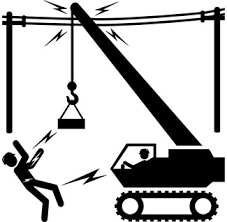
Contact with overhead power lines can be fatal. Plan the work to avoid entering the danger zone. Where contact cannot be ruled out, seek advice from the relevant electricity network operator and put appropriate controls in place before work starts. These may include isolating or diverting the power supply, or using agreed barriers and safe working limits. Do not rely on judgement alone to estimate a safe distance.
Train and brief the team
Everyone involved in the lifting operation should be competent for their role and receive a clear briefing on the lift plan, hazards, control measures and emergency arrangements. Operators must be trained and authorised to use the particular type of crane. Signallers and slinger-loaders also need suitable training and experience.
Encourage workers to report defects, changing conditions or concerns immediately. Anyone should be able to call a stop if something does not look or feel safe.
Before, during and after the lift
- Before: inspect the crane and accessories, confirm the plan, check the set-up and brief the team.
- During: keep people clear, maintain communication and follow the agreed sequence. Do not exceed the crane’s capacity or use it for unauthorised purposes.
- After: lower and secure the load, leave the crane in a safe condition and report any defects or incidents. Remove damaged equipment from service until it has been assessed.
Crane safety is a shared responsibility. Good planning, competent people, suitable equipment and the confidence to stop an unsafe lift can prevent serious harm. For site-specific advice, consult a competent lifting professional and refer to current guidance from the Health and Safety Executive (HSE).
Five Key Benefits of Crane Safety in the UK
- Prevents injuries and saves lives.
- Protects equipment and property.
- Reduces costly delays and damage.
- Improves communication across the lifting team.
- Supports compliance with UK safety requirements.
Seven Key Crane Safety Risks
- Falls from height can cause serious injuries.
- Falling loads can be fatal.
- Crane overturning can cause major damage.
- Power-line contact risks electrocution.
- Poor communication can lead to collisions.
- Bad weather can make lifts unsafe.
- Defective equipment can fail without warning.
Prevents injuries and saves lives.
Effective crane safety measures help prevent injuries and save lives by reducing the risk of falling loads, equipment failure, collisions and contact with power lines. Careful lift planning, competent operators, well-maintained equipment and clear communication protect workers and anyone nearby. When hazards are identified and controlled before lifting begins, everyone on site has a better chance of going home safely.
Protects equipment and property.
Effective crane safety helps protect equipment and property by reducing the risk of dropped loads, collisions and crane overturns. Careful lift planning, suitable equipment and clear communication help prevent damage to cranes, buildings, vehicles and materials, avoiding costly repairs, delays and disruption to work.
Reduces costly delays and damage.
Good crane safety helps prevent accidents, equipment failures and damage to buildings, materials and loads. By planning lifts carefully, inspecting equipment and ensuring everyone understands their role, businesses can avoid time-consuming investigations, repairs and work stoppages. This reduces costly delays and helps projects stay on schedule and within budget.
Improves communication across the lifting team.
Good crane safety relies on clear communication between the operator, signaller, slinger and lift supervisor. Agreeing roles, signals and procedures before work begins helps everyone understand what is happening and when to act. This reduces the risk of misunderstandings, keeps the lift coordinated and allows the team to respond quickly if conditions change or someone needs to stop the operation.
Supports compliance with UK safety requirements.
Following good crane safety practices helps businesses meet UK legal requirements, including those set out in LOLER and PUWER. Planning lifts properly, using suitable equipment, arranging required inspections and ensuring workers are competent can reduce the risk of breaches, enforcement action and costly disruption.
Falls from height can cause serious injuries.
Working at height during crane operations can expose workers to the risk of falling from platforms, ladders, access ways or the crane itself. A fall can cause serious injuries, including broken bones, head injuries or worse, particularly when safety measures are inadequate. Employers should avoid work at height where possible and, when it is necessary, use suitable access equipment, fall-prevention measures and properly fitted personal protective equipment. Workers should also be trained to follow safe procedures and report unsafe conditions.
Falling loads can be fatal.
Falling loads are one of the most serious hazards in crane operations and can cause fatal injuries to anyone beneath or near them. Loads may fall because they are incorrectly secured, exceed the crane’s capacity, or are lifted using damaged or unsuitable equipment. Careful lift planning, pre-use checks, clear communication and keeping people out of the lifting area are essential to reduce the risk.
Crane overturning can cause major damage.
Crane overturning can cause major damage to equipment, buildings, vehicles and nearby infrastructure, as well as putting workers and members of the public at risk of serious injury or death. It may happen when a crane is overloaded, set up on unstable ground, used in unsuitable weather or operated without proper planning. Careful assessment of ground conditions, correct crane configuration and adherence to the lift plan help reduce the risk.
Power-line contact risks electrocution.
Contact between a crane, its boom or a suspended load and an overhead power line can cause a severe or fatal electric shock. The danger may not be obvious: electricity can arc across a gap, and anyone touching the crane or nearby equipment may also be at risk. Plan lifts to avoid power lines wherever possible, and put appropriate controls in place before work begins. If contact occurs, keep clear, warn others not to approach and contact the emergency services and electricity network operator.
Poor communication can lead to collisions.
Poor communication during crane operations can lead to collisions between the crane, its load, nearby structures, vehicles or other equipment. If the operator and signaller use unclear signals, lose radio contact or misunderstand instructions, the crane may move in the wrong direction or continue when it should stop. Agreeing clear signals before lifting, using a designated signaller and stopping the operation whenever communication is interrupted can help reduce the risk.
Bad weather can make lifts unsafe.
Bad weather can make crane lifts unsafe by reducing visibility, making surfaces slippery and causing loads to sway. Strong or gusty winds can place extra force on the crane and make it difficult to control the load, particularly if it has a large surface area. Rain, ice and poor light may also affect the operator’s ability to work safely. Always follow the crane manufacturer’s weather limits and the lift plan, and stop work if conditions become unsafe.
Defective equipment can fail without warning.
Defective crane equipment can fail without warning, turning a routine lift into a serious accident. Worn slings, damaged hooks or faulty safety devices may break or malfunction under load, putting workers at risk of injury and causing damage to property. Regular inspections, thorough examinations and prompt removal of damaged equipment from service are essential to help identify problems before lifting begins.
Tags: communication, competent personnel, crane capacity, crane safety, emergency stop, equipment inspection, exclusion zones, ground conditions, health and safety executive, hse, lift planning, lift supervisor, lifting accessories, lifting operations, load weight, loler, operator training, outrigger mats, overhead power lines, puwer, safe lifting, signaller, suspended loads, weather limits