
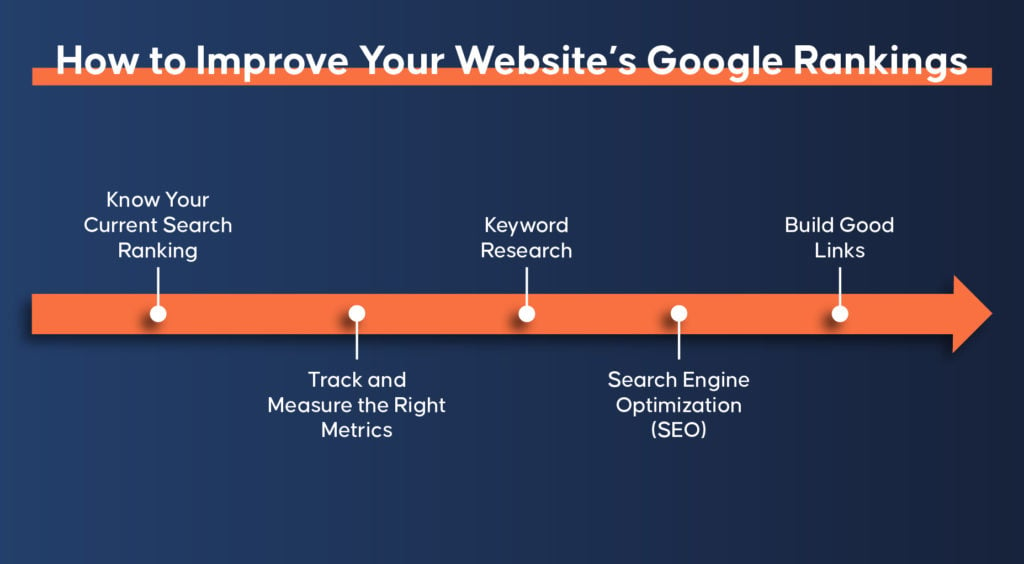
How to Improve Your Google Page Ranking
Appearing prominently in Google search results can help more people discover your website, products or services. There is no quick fix that guarantees a top position: Google uses many signals to decide which pages to show, and rankings can change over time. The most reliable approach is to make your website useful, clear and easy to access.
Start with what your audience is searching for
Think about the questions people ask before they reach your website. A motorsport club, for example, might publish practical information about events, classes, rules, results and how to get involved. Use the language your audience uses naturally, rather than adding search phrases wherever possible.
Keyword research tools can help you understand what people search for, but you do not need to target every phrase. Focus each page on one clear subject and make sure it answers the reader’s likely questions.
Create useful, original content
Strong search visibility starts with content that genuinely helps readers. Make pages accurate, specific and easy to understand. Add useful detail, such as dates, locations, instructions or expert explanations, where relevant. Keep information up to date, especially if it relates to events, prices, regulations or services.
Avoid copying content from other websites or producing pages solely to repeat keywords. Duplicate, thin or outdated pages can make it harder for visitors to find the information they need.
Make every page clear and well structured
Use a descriptive page title and a clear main heading. Break longer articles into sections with meaningful subheadings, and keep paragraphs focused. This helps visitors scan the page and gives search engines a clearer understanding of its subject.
Write a concise meta description that accurately summarises the page. It may appear as the description in search results, although Google can choose to display different text. Use descriptive links such as “view the event results” rather than vague labels such as “click here”.
Improve the experience on mobile
Many people browse on a phone, so check that your website works well on smaller screens. Text should be easy to read, menus should be straightforward to use, and buttons and links should be easy to tap. Pages should also load promptly and avoid intrusive pop-ups that get in the way of the content.
Good performance matters, but it should not come at the expense of useful information. Compress large images, remove unnecessary scripts and choose reliable hosting. Google’s Core Web Vitals can help identify issues with loading speed, interactivity and visual stability.
Help Google find and understand your pages
Use Google Search Console to check whether Google can access your website, see which searches bring visitors to it and identify indexing or mobile usability problems. Submit an XML sitemap if your site has one, and make sure important pages are not accidentally blocked from search engines.
Use straightforward web addresses and link related pages together. Internal links help visitors discover more of your content and help search engines understand how your pages relate to one another.
Build trust and earn relevant links
Links from other reputable websites can help people discover your content and provide useful context about your site. Focus on earning links by publishing worthwhile material, contributing to relevant communities and building genuine partnerships. Avoid buying links or taking part in schemes designed to manipulate rankings.
Make it clear who is responsible for your website and provide accurate contact information where appropriate. Trust is particularly important for pages that could affect someone’s finances, health or safety, but clear and reliable information benefits every site.
Measure progress and keep improving
Search engine optimisation takes time. Use Search Console and website analytics to monitor impressions, clicks, search terms and visitor behaviour. Look for pages that are close to performing well, then improve them with clearer explanations, more complete information or better links to related content.
Do not judge success by rankings alone. Consider whether visitors are finding what they need, spending time with your content and taking the actions your website is designed to support.
A practical SEO checklist
- Publish accurate, original content that answers real questions.
- Give each important page a clear subject, title and main heading.
- Make the website easy to use on mobile devices.
- Improve page speed and fix technical errors.
- Use internal links to connect related information.
- Check indexing and search performance in Google Search Console.
- Earn links through useful content and genuine relationships.
- Review and update important pages regularly.
Improving your Google ranking is an ongoing process, not a one-off task. By prioritising helpful content, a smooth visitor experience and sound technical foundations, you can give your pages a better chance of being found by the people who need them.
Six Benefits of Improving Your Google Rankings
- Attracts more visitors to your website.
- Helps people find relevant information quickly.
- Builds trust in your business or organisation.
- Can increase enquiries, sales or sign-ups.
- Improves visibility in competitive search results.
- Supports steady, long-term website growth.
Five Challenges of Improving Your Google Rankings
- SEO improvements can take time to show results.
- Google rankings can change without warning.
- Keyword research and content updates require ongoing effort.
- Technical SEO may need specialist support.
- No legitimate strategy can guarantee a top ranking.
Attracts more visitors to your website.
Improving your Google page ranking can help attract more visitors to your website by making it easier for people to find you when they search for relevant information, products or services. Appearing higher in search results can increase the chances that users will click through to your pages, bringing more potential customers, readers or members to your site.
Helps people find relevant information quickly.
Improving your Google page ranking can help people find relevant information quickly, placing useful, accurate content closer to the top of search results. When visitors can easily discover the answers, services or resources they need, they spend less time searching and are more likely to have a positive experience with your website.
Builds trust in your business or organisation.
A higher position in Google search results can help build trust in your business or organisation. People often see prominent results as more credible and established, particularly when your website provides accurate, helpful information and a professional experience. Strong visibility can make it easier for potential customers, members or supporters to discover you and feel confident taking the next step.
Can increase enquiries, sales or sign-ups.
A higher Google ranking can bring more relevant visitors to your website, increasing the chances that they’ll get in touch, make a purchase or sign up. When your pages appear for searches related to your products or services, you can reach people who are already looking for what you offer and make it easier for them to take the next step.
Improves visibility in competitive search results.
Improving your Google page ranking can help your website stand out in competitive search results, where many businesses and organisations are vying for attention. A higher position makes your page more likely to be seen and visited by people searching for relevant information, products or services.
Supports steady, long-term website growth.
Improving your Google page ranking can support steady, long-term website growth by helping more people discover your content through organic search. As your pages become more useful, visible and trusted, they can attract a consistent stream of relevant visitors without relying solely on paid advertising. Over time, this growing audience can create more opportunities to build engagement, enquiries and lasting customer relationships.
SEO improvements can take time to show results.
One drawback of improving your Google page ranking is that SEO can take time to deliver results. Changes to your website may not lead to an immediate rise in rankings or traffic, as search engines need time to discover, assess and index updated pages. This means SEO requires patience and consistent effort, and it can be difficult to know whether a particular improvement is working straight away.
Google rankings can change without warning.
One drawback of focusing on Google rankings is that they can change without warning. Search algorithms are updated regularly, and shifts in competition or search behaviour can affect where a page appears, even if its content has not changed. This uncertainty makes it difficult to rely on a particular position for consistent website traffic, so it is important to keep improving your content and attract visitors through other channels too.
Keyword research and content updates require ongoing effort.
Keyword research and content updates require ongoing effort, which can be a drawback for businesses with limited time or resources. Search trends change, competitors publish new material and existing pages can become outdated, so content needs regular review to stay useful and relevant. This ongoing work may involve researching search terms, updating information and monitoring performance, with no guarantee of an immediate improvement in rankings.
Technical SEO may need specialist support.
Technical SEO can be challenging, particularly if your website has complex issues involving site speed, indexing, structured data or server settings. Fixing these problems may require specialist knowledge, so you might need to hire an SEO professional or web developer, adding to the cost and time involved.
No legitimate strategy can guarantee a top ranking.
No legitimate SEO strategy can guarantee a top Google ranking. Search results are shaped by many factors, including competition, changes to Google’s systems and what people are searching for, so even well-planned improvements may not lead to a particular position. Be wary of anyone promising guaranteed first-place results; focus instead on useful content, a strong website experience and steady, measurable progress.
Tags: content updates, core web vitals, google page ranking, google search console, improve google page ranking, indexing, internal links, keyword research, meta descriptions, mobile usability, on-page seo, page speed, page titles, reputable backlinks, search engine optimisation, search performance, seo, technical seo, useful original content, user experience, website analytics, xml sitemap