
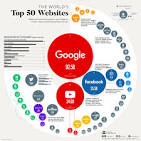
Popular Websites: The Online Destinations We Use Every Day
Websites have become an essential part of modern life. They help us keep in touch, find information, shop, learn new skills and enjoy entertainment, often from a computer or mobile phone. While new sites appear all the time, some types of website remain popular because they make everyday tasks easier and bring people together.
Social networking and communication
Social networking websites give people a place to share updates, photographs and opinions, and to stay connected with friends, family and communities. Messaging and video-calling services also make it simple to communicate across the UK and around the world. Many people use these platforms for work as well as personal conversations, although it is worth checking privacy settings and thinking carefully before sharing personal information.
Search engines and online information
Search engines are often the starting point for browsing the web. They help users find everything from local services and news stories to recipes and answers to everyday questions. Online encyclopaedias, government websites and specialist guides can provide useful information too. As not every page is accurate or up to date, it is sensible to check who published the information and compare important claims with reliable sources.
Shopping and services
Online shops have changed the way people buy clothes, books, food, electronics and household essentials. Price-comparison websites can help shoppers explore different options, while banking and travel websites make it possible to manage money, book journeys and plan holidays without visiting an office. Before making a purchase, check delivery costs, returns policies and the security of the website.
News, learning and entertainment
News websites provide coverage of local, national and international events, while online learning platforms offer courses and resources on a wide range of subjects. Streaming services, gaming sites and video-sharing platforms provide entertainment for millions of people. These websites can also help users discover new interests, develop skills and share their own creative work.
Choosing websites wisely
The most useful website is not always the most popular one. A good site should be easy to use, accessible on different devices and clear about how it handles personal information. Look for secure payment options when shopping, use strong and unique passwords, and be cautious of unexpected links or offers that seem too good to be true.
Popular websites reflect the many ways people use the internet: to connect, explore, learn and get things done. Used thoughtfully, they can make daily life more convenient and open up a world of information and opportunities.
5 Tips for Staying Safe on Popular Websites
- Check the web address before signing in.
- Use a unique password for each website.
- Review privacy settings on social media.
- Use trusted payment methods when shopping online.
- Be cautious of unexpected links and offers.
Check the web address before signing in.
Before signing in, check the web address carefully to make sure you’re on the genuine website. Scammers can create convincing copies with addresses that differ by just one letter, or use misleading links in emails and messages. Type the address yourself or use a trusted bookmark, and look for the correct domain and a secure connection before entering your password or personal details.
Use a unique password for each website.
Use a unique password for each website to help protect your accounts. If one site suffers a data breach, criminals may try the exposed password on other services, so reusing it could put several accounts at risk. A password manager can securely create and store strong, different passwords, making them easier to manage.
Review privacy settings on social media.
Review your privacy settings on social media regularly to control who can see your posts, personal details and activity. Platforms may change their settings over time, so check options such as audience controls, location sharing, tagging and profile visibility. Limiting access to people you trust can help protect your information and make your online experience more secure.
Use trusted payment methods when shopping online.
When shopping online, use trusted payment methods such as a credit card or a well-known payment service, which may offer extra protection if something goes wrong. Check that the website’s address begins with “https” and that the payment page looks genuine before entering your details. Avoid paying by bank transfer or sharing card information through email or messages, particularly if a seller is unfamiliar.
Be cautious of unexpected links and offers.
Be cautious of unexpected links and offers, especially in emails, text messages and social media posts. They may lead to fake websites designed to steal personal or payment details, or encourage you to download harmful software. Avoid clicking if a message seems unusual, creates pressure to act quickly or promises an unrealistic reward. Instead, visit the organisation’s official website directly and check the offer through a trusted source.
Tags: banking websites, gaming sites, internet safety, news websites, online communication, online information, online learning, online security, online shopping, password manager, personal information, phishing scams, popular websites, price comparison, privacy settings, search engines, secure websites, social networking, streaming services, strong passwords, travel websites, video-sharing platforms