
What Is a Good SEO Score?
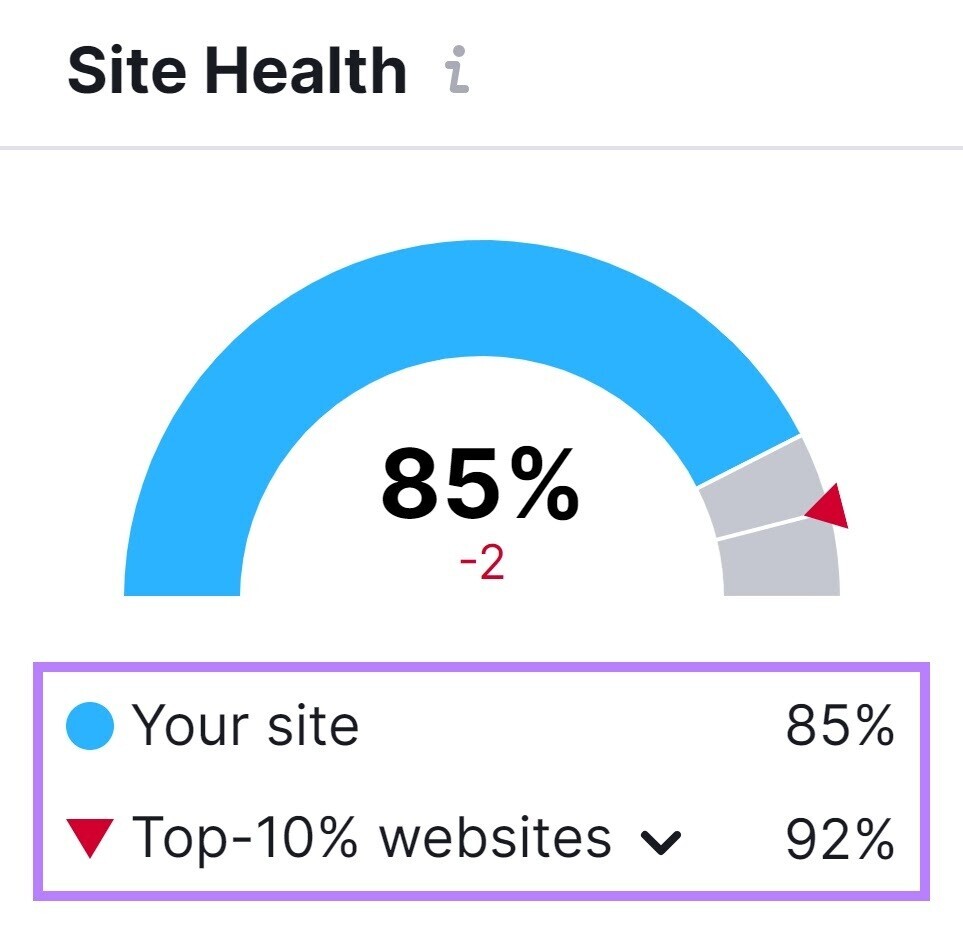
A good SEO score can be a useful sign that a website is following search engine optimisation best practices. However, there is no single score used by Google to decide where a page appears in search results. Scores from SEO tools are estimates, and each tool measures different things.
The most useful approach is to treat an SEO score as a guide. It can help identify issues to fix, but it should not replace a focus on helpful content, a good experience for visitors and clear information about your website.
What does an SEO score measure?
SEO tools may assess several aspects of a website, including:
- Technical SEO: whether pages can be crawled and indexed, and whether the site uses HTTPS.
- On-page SEO: page titles, headings, URLs, internal links and image descriptions.
- Content: whether pages are clear, relevant and useful to their intended audience.
- Mobile usability: how easily people can use the site on a phone or tablet.
- Page experience: factors such as loading speed, layout stability and responsiveness.
- Accessibility: whether people with different needs can navigate and understand the site.
Some tools combine these checks into a score out of 100. Others report separate scores for technical health, content or page performance. A high score in one tool does not necessarily mean that every important SEO issue has been addressed.
Is there a perfect SEO score?
There is no universal target that guarantees strong search rankings. A score of 100 may be satisfying, but it does not guarantee that a page will appear at the top of search results. Equally, a lower score does not automatically mean that a page cannot perform well.
Different tools use different tests and scoring systems. Some recommendations may also be more relevant to certain websites than others. Use scores to spot problems and track improvements over time, rather than treating them as a direct measure of ranking potential.
How to improve your SEO
Create useful, original content
Write for the people you want to reach. Answer their questions clearly, provide accurate information and organise each page around a clear purpose. Avoid adding keywords where they do not read naturally or publishing pages that offer little value.
Make pages easy to understand
Give each page a clear title and use headings to organise its content. Write concise page descriptions that accurately explain what visitors will find. Descriptions may be used in search results, although search engines can choose to display different text.
Check technical basics
Make sure important pages can be accessed by search engines and are not accidentally blocked from indexing. Use HTTPS, fix broken links and provide a clear site structure. A sitemap can help search engines discover pages, but submitting one does not guarantee that every page will be indexed.
Improve the mobile experience
Pages should be easy to read and use on smaller screens. Check that text is legible, links and buttons are easy to tap, and content does not overflow the screen.
Review page speed and stability
Large images, unnecessary scripts and inefficient code can make pages feel slow. Compress images where appropriate and review performance using tools such as Google PageSpeed Insights. Test on real devices as well as relying on automated results.
Use descriptive links and image text
Link text should give readers a reasonable idea of what they will find when they follow a link. Add alternative text to images when it helps explain their purpose or content. Decorative images can usually be given empty alternative text so they are not read aloud unnecessarily.
How to use SEO tools effectively
- Choose a reliable tool: use tools that explain what they measure and how to address issues.
- Review the recommendations: distinguish significant problems from minor suggestions.
- Prioritise by impact: start with issues that prevent access to important pages or make them difficult to use.
- Make changes gradually: record what you update so you can understand the effect.
- Monitor real results: check organic visits, search impressions, clicks and conversions using analytics and search performance reports.
Focus on progress, not just the number
A good SEO score is best understood as a helpful health check, not a guarantee of success. Strong SEO comes from a combination of accessible technical foundations, relevant and trustworthy content, and a positive experience for visitors.
Use scores to uncover opportunities, fix genuine problems and measure progress. The ultimate aim is not simply to achieve a perfect number, but to help the right people find your website and get what they need from it.
7 Practical Tips to Improve Your SEO Score
- Use clear, descriptive page titles.
- Write helpful, original content.
- Add relevant headings and keywords naturally.
- Compress images and add alt text.
- Make pages fast and mobile-friendly.
- Use descriptive internal links.
- Fix broken links and crawl errors.
Use clear, descriptive page titles.
Use clear, descriptive page titles to help people and search engines understand what each page is about. Keep titles concise, accurate and specific to the page, placing the most important topic near the beginning where it reads naturally. Give every page a unique title and avoid vague wording, unnecessary repetition or keyword stuffing. A well-written title can make your page easier to identify in search results and encourage the right visitors to click.
Write helpful, original content.
Write helpful, original content that answers your audience’s questions clearly and accurately. Focus on what readers need rather than trying to repeat keywords, and organise information so it is easy to scan and understand. Useful content gives visitors a reason to stay, builds trust and supports a stronger SEO score over time.
Add relevant headings and keywords naturally.
Use clear, relevant headings to organise your content and help readers find the information they need. Include keywords naturally where they accurately describe the topic, such as in headings and within the text, but avoid forcing them into every sentence. Well-structured, useful content is easier for visitors to read and can also help search engines understand what each page is about.
Compress images and add alt text.
Compressing images helps your pages load faster, creating a smoother experience for visitors and supporting better SEO. Choose an appropriate file format and reduce image file sizes without noticeably affecting quality. Add concise, descriptive alt text to images that convey useful information, so people using screen readers can understand their purpose and search engines can interpret them. For decorative images, use empty alt text rather than adding unnecessary descriptions.
Make pages fast and mobile-friendly.
Make your pages fast and mobile-friendly so visitors can find what they need without delays or frustration. Optimise images, reduce unnecessary scripts and check that text, menus and buttons work well on smaller screens. A smooth experience can encourage people to stay and explore, while supporting your wider SEO efforts.
Use descriptive internal links.
Use descriptive internal links to help visitors and search engines understand what a linked page is about. Choose clear, relevant link text that describes the destination—for example, “read our guide to Autograss racing” rather than “click here”. This makes your content easier to navigate, supports a logical site structure and helps search engines discover how your pages relate to one another. Ensure links are useful and natural, rather than adding them solely to include keywords.
Fix broken links and crawl errors.
Fixing broken links and crawl errors helps visitors and search engines reach the pages on your website. Regularly check for links that lead to missing or moved pages, then update them, remove them or redirect them to a relevant destination. Use tools such as Google Search Console to identify crawl errors and investigate their causes. Addressing these issues can make your site easier to navigate and help search engines discover and understand its important content.
Tags: clicks, conversions, good seo score, google pagespeed insights, helpful content, https, indexing, mobile usability, on-page seo, organic traffic, page experience, page speed, search engine optimisation, search impressions, search rankings, seo score, seo tools, technical seo, website accessibility, website performance