
On-Page SEO Score: What It Means and How to Improve It
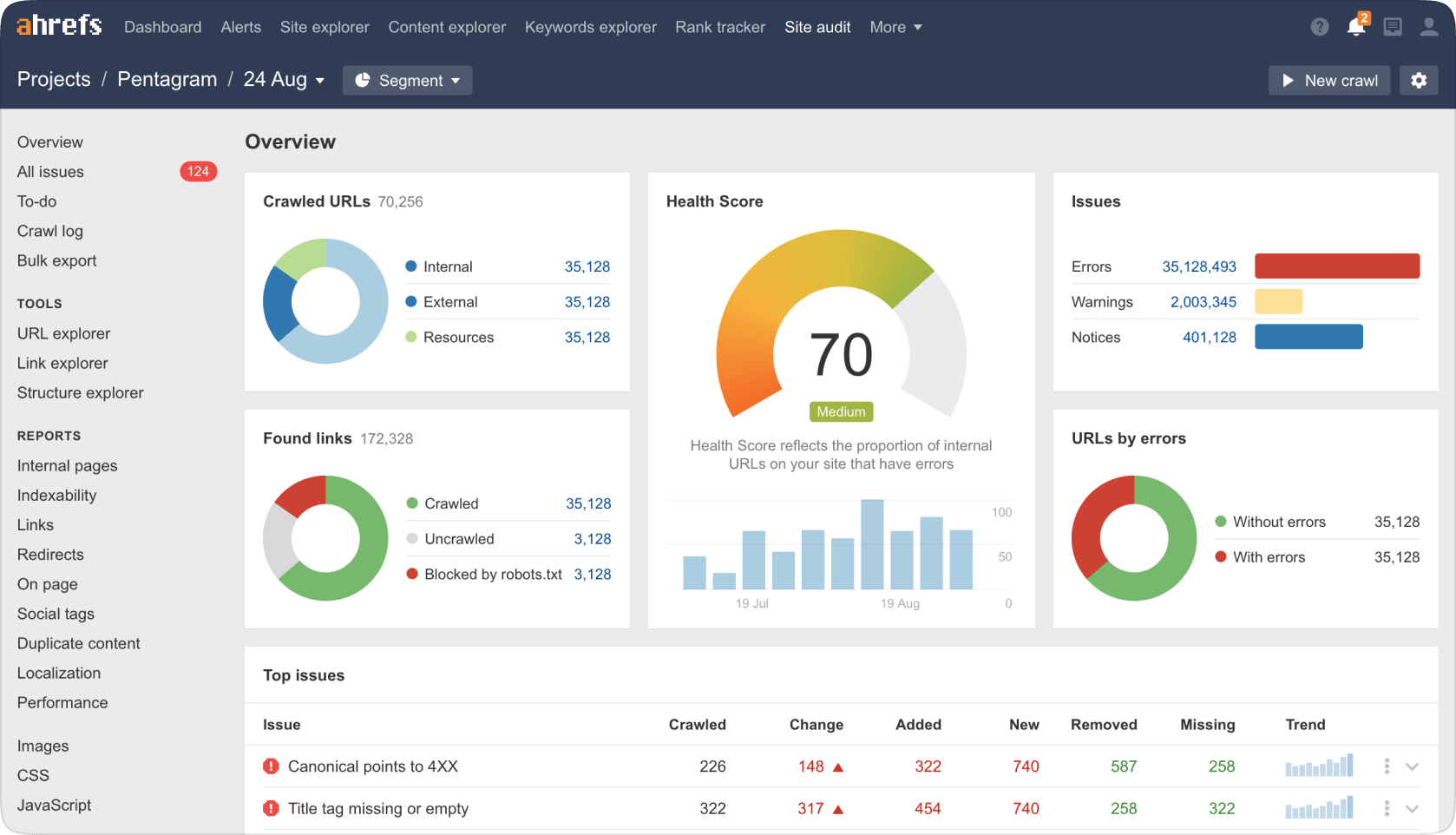
An on-page SEO score is an estimate of how well a web page is optimised for search engines and visitors. It is usually generated by an SEO tool that checks factors such as title tags, headings, page content, internal links and image descriptions.
Although a score can be a useful starting point, it is not a direct measure of where a page will rank in Google. Search engines consider many signals, including the usefulness of the content, the authority of the website, competition and the experience users have on the page. Treat an SEO score as guidance rather than a guarantee.
What Does an On-Page SEO Score Check?
Different tools use different methods, but an on-page audit may look at the following elements:
- Title tag: Does the page have a clear, relevant title that accurately describes its content?
- Meta description: Is there a concise summary that may encourage people to click from search results?
- Headings: Are headings organised logically, with one clear main heading and useful subheadings?
- Content relevance: Does the page answer the likely questions behind the search?
- Keyword use: Are relevant search terms included naturally, without repetition or awkward phrasing?
- Internal links: Does the page link to other useful pages on the same website?
- Images: Are image file sizes sensible, and do meaningful images have descriptive alternative text?
- URL structure: Is the web address short, readable and relevant to the page?
- Mobile experience: Can visitors read and use the page easily on a phone or tablet?
- Page performance: Does the page load reliably and respond quickly?
Why the Score Is Only a Guide
An SEO tool cannot fully judge whether a page is genuinely helpful, accurate or engaging. It may flag a page because a keyword appears fewer times than expected, even when the content already answers the reader’s needs. Conversely, a page can achieve a high score while still being thin, confusing or untrustworthy.
There is no universal scoring system. One tool might give a page 80 out of 100, while another gives it a different result because it uses different checks and weighting. Scores are most useful for spotting technical omissions and tracking improvements within the same tool over time.
How to Improve Your On-Page SEO
Start with the reader’s needs
Before changing a page, consider what someone searching for its topic wants to know or do. Make the main answer easy to find, then provide useful detail. Avoid adding text simply to increase the page length or to satisfy a checklist.
Write a clear title and description
Create a unique title that explains the page’s subject. Keep it readable and accurate, and include the main topic where it fits naturally. Write a helpful meta description that summarises the page. Search engines may choose to show different text in results, so descriptions should be treated as suggestions rather than guaranteed snippets.
Organise the content with headings
Use headings to make the page easier to scan. The main heading should describe the page, while subheadings should introduce related sections. A clear structure helps readers understand the content and can help search engines interpret it.
Use search terms naturally
Include the words and phrases people are likely to use when they are relevant to the topic. Related terms can help make the content clearer, but there is no need to repeat a phrase a set number of times. Write naturally and prioritise accuracy and readability.
Add useful internal links
Link to other relevant pages where they offer extra information or help visitors take the next step. Use descriptive link text so readers know what to expect. Internal links can also help search engines discover and understand pages across a website.
Make images accessible and efficient
Use descriptive file names and suitable alternative text for images that convey important information. Decorative images may not need descriptive alternative text. Compress image files where appropriate to help pages load efficiently, while maintaining acceptable image quality.
Check the mobile experience
Review the page on a phone as well as a desktop computer. Text should be comfortable to read, links and buttons should be easy to use, and visitors should not need to zoom or scroll sideways to access the content.
A Practical Way to Use SEO Scoring Tools
- Run an audit to identify possible issues.
- Check each recommendation rather than applying every suggestion automatically.
- Fix problems that affect clarity, access, accuracy or usability first.
- Review the page after making changes, including on mobile devices.
- Track organic traffic, search impressions and meaningful visitor actions over time.
Some recommendations may not suit every page. For example, a short contact page does not need the same structure as an in-depth guide. Use your judgement and keep the purpose of the page in mind.
Conclusion
An on-page SEO score can help highlight areas to review, but it should not be the sole measure of a page’s quality. The best improvements usually make a page more useful, accessible and easy to understand. Focus on the needs of your audience, apply relevant technical guidance and assess results over time rather than chasing a perfect score.
Understanding On-Page SEO Scores: Key Questions Answered
- What is an on-page SEO score?
- How is an on-page SEO score calculated?
- What is a good on-page SEO score?
- Does a higher on-page SEO score guarantee better Google rankings?
- Which factors affect an on-page SEO score?
- How can I improve my on-page SEO score?
What is an on-page SEO score?
An on-page SEO score is an estimate, usually provided by an SEO tool, of how well a web page follows selected optimisation recommendations. It may assess elements such as the title tag, headings, content, keywords, internal links, images and mobile usability. The score can help identify areas to review, but it is not a ranking guarantee or a complete measure of content quality; use it as a guide alongside your own judgement and the needs of your readers.
How is an on-page SEO score calculated?
An on-page SEO score is calculated by an SEO tool that checks a page against a set of optimisation criteria, such as its title tag, headings, content, keyword relevance, internal links, image alt text, mobile usability and page speed. The tool assigns points or weights to these factors and combines them into an overall score. Each platform uses its own criteria, so scores can vary; they are best used as a guide to potential improvements, not as a guarantee of search rankings.
What is a good on-page SEO score?
A good on-page SEO score is generally one that shows your page has covered the key checks set by the tool you’re using, but there is no universal benchmark because scoring methods vary. Treat the score as a guide, not a guarantee of search rankings: focus on creating useful, clear content, using relevant titles and headings, adding helpful internal links, and ensuring the page works well on mobile.
Does a higher on-page SEO score guarantee better Google rankings?
No. A higher on-page SEO score does not guarantee better Google rankings. SEO tools use their own checklists to assess factors such as headings, keywords and page titles, but Google considers many other signals, including content quality, relevance, website authority, competition and user experience. Use the score to spot potential improvements, not as a promise of higher rankings.
Which factors affect an on-page SEO score?
An on-page SEO score is affected by factors such as the page title and meta description, heading structure, content relevance and quality, natural use of target keywords, internal links, URL clarity, image optimisation and mobile usability. Some tools also assess technical details, including page speed, indexing directives and whether the page includes canonical tags. As scoring methods vary between tools, use the score as a guide to potential improvements rather than a guarantee of search rankings.
How can I improve my on-page SEO score?
To improve your on-page SEO score, make sure each page has a clear, descriptive title, a useful meta description and a logical heading structure. Create original content that answers visitors’ questions, and include relevant search terms naturally rather than repeating them unnaturally. Add helpful internal links, use descriptive alternative text for meaningful images, and check that the page loads quickly and works well on mobile devices. SEO tools can point out areas to review, but prioritise changes that improve the experience for your visitors rather than trying to achieve a perfect score.
Tags: content optimization, content relevance, headings, image alt text, internal links, keyword use, meta description, mobile experience, on page seo score, on-page seo, on-page seo score, organic traffic, page performance, search engine optimization, search rankings, seo audit, seo recommendations, seo tools, title tag, url structure, website usability