
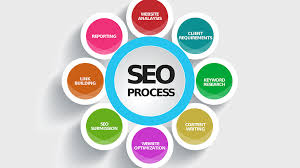
Making ukac.org.uk Easier to Find: A Guide to Website SEO
Search engine optimisation (SEO) helps people find relevant information through search engines such as Google. For a website dedicated to the UK Autograss Championships, effective SEO can help racers, fans, clubs and newcomers discover championship news, event details and information about the sport.
Good SEO is not about repeating keywords as often as possible. It is about making the website useful, clear and accessible, while helping search engines understand what each page offers.
Use clear, descriptive page titles
Each page should have a unique title that accurately describes its content. A title such as UK Autograss Championships – Race News and Event Information gives visitors and search engines a clearer idea of the website’s subject than a vague title such as Home.
Individual pages should be just as specific. An event page, for example, could include the event name, location and year in its title, provided those details are accurate and kept up to date.
Publish useful, original content
Fresh, informative content gives visitors a reason to return and can help pages appear in relevant searches. Useful articles might include championship updates, race reports, event previews, driver profiles, results and explanations of Autograss racing for newcomers.
Each article should focus on a clear subject and provide information that readers cannot get simply from a headline. Accurate dates, names, results and links to relevant event pages make content more valuable to both readers and search engines.
Make event information easy to find
Visitors often search for practical details, including event dates, venues, timetables and results. Keeping this information organised and accessible can improve the experience for users arriving from search engines.
Where appropriate, create a dedicated page for each event. Include the essential details in readable text, rather than relying solely on posters or images. If information changes, update the page promptly and make the latest details clear.
Structure pages for readers and search engines
Use headings in a logical order, starting with one main <h1> heading followed by relevant <h2> and <h3> subheadings. Short paragraphs, descriptive link text and clear navigation help visitors find what they need.
Images can also support a page when they are relevant and properly labelled. Write concise alternative text describing the image, and use descriptive file names where practical. Alternative text should explain an image’s purpose, not simply list keywords.
Pay attention to mobile and technical performance
Many people browse on mobile phones, particularly when looking for event information while travelling. Pages should work well on smaller screens, with readable text, easy-to-use menus and links that are simple to tap.
Fast loading times, secure HTTPS connections and a logical site structure also contribute to a better experience. A sitemap and correctly configured indexing settings can help search engines discover the pages that should appear in search results.
Build credibility through accuracy
Trust matters. Clearly identify the organisation behind the website and provide accurate contact information where appropriate. Keep important pages current, correct outdated details and link to reliable sources when additional information is available elsewhere.
For championship and event content, consistency is especially useful. Use the same official names for events, venues and organisations across the website so that visitors can recognise information easily.
Measure what is working
SEO is an ongoing process. Website analytics and search performance tools can show which pages attract visitors, what search queries bring people to the site and where users may be encountering difficulties. These insights can guide future improvements, from updating a popular article to making event information easier to locate.
SEO that serves the Autograss community
The most effective SEO for ukac.org.uk starts with the needs of its visitors. Clear event details, helpful championship coverage and well-organised information make the website easier to use and easier to discover. By keeping content accurate, accessible and relevant, the site can better connect the UK Autograss community with the information it is looking for.
9 Essential Tips for Enhancing Your Website’s SEO
- Use clear, descriptive page titles.
- Write helpful, original content.
- Research keywords your audience uses.
- Add concise meta descriptions.
- Use headings to structure each page.
- Make your site fast and mobile-friendly.
- Use descriptive alt text for images.
- Link related pages together.
- Fix broken links and submit an XML sitemap.
Use clear, descriptive page titles.
Use clear, descriptive page titles to show visitors and search engines exactly what each page is about. Give every page a unique title that reflects its content, using relevant terms naturally—for example, “UK Autograss Championships: Race News and Results” is more informative than “Home” or “Latest”. Accurate, concise titles make search results easier to understand and help people choose the page that best matches what they are looking for.
Write helpful, original content.
Write helpful, original content that answers the questions your visitors are actually asking. For ukac.org.uk, this could include clear event information, race reports, championship updates and introductions to Autograss for newcomers. Make every page accurate, easy to read and genuinely useful, rather than filling it with repeated keywords. Original, well-organised content gives readers a reason to visit and return, while helping search engines understand what each page is about.
Research keywords your audience uses.
Researching the keywords your audience uses can help shape content around the information people are actually looking for. Think about the words racers, fans and newcomers might search for, such as “UK Autograss results”, “Autograss events” or “how Autograss racing works”. Keyword research tools and search suggestions can reveal related phrases, but focus on using them naturally in useful page titles, headings and copy rather than repeating them unnaturally.
Add concise meta descriptions.
Add a concise meta description to each important page to summarise what visitors will find before they click through from search results. Keep it accurate, distinctive and easy to read, including the page’s main topic and a natural reason to visit. For example, an event page could briefly highlight the event name, location and key details. Meta descriptions do not directly determine search rankings, but a clear, relevant summary can help people decide that your page is the right one for them.
Use headings to structure each page.
Use headings to give each page a clear, logical structure. Start with one descriptive main heading, then use subheadings to organise related sections and help readers scan the content. A well-structured page is easier to navigate for visitors and helps search engines understand how the information fits together. Keep headings accurate and relevant to the content beneath them, rather than using them simply to include keywords.
Make your site fast and mobile-friendly.
Make your website fast and easy to use on mobile devices. Many visitors will look for championship news and event details on their phones, so pages should load quickly, text should be easy to read and menus and links should be simple to use on a small screen. Compressing large images, removing unnecessary features and checking pages on different devices can improve performance and make it easier for visitors to find the information they need.
Use descriptive alt text for images.
Use descriptive alt text to explain the content and purpose of each meaningful image on your website. Clear, concise descriptions can help visitors using screen readers understand the images and give search engines useful context. Keep the wording natural and specific—for example, “Autograss cars lining up at the start of a championship race”—rather than adding a list of keywords. Decorative images that convey no useful information can usually be given empty alt text so they do not distract assistive technology users.
Link related pages together.
Linking related pages together helps visitors discover more useful information and makes your website easier to navigate. For example, a race report could link to the event results, venue details or a driver profile. Clear, descriptive links also help search engines understand how your pages relate to one another, making it easier to find and index relevant content. Keep links relevant and use wording that tells readers what they will find when they click.
Fix broken links and submit an XML sitemap.
Fixing broken links and submitting an XML sitemap can help search engines find and understand the pages on your website. Broken links frustrate visitors and may prevent search engines from reaching useful content, so check them regularly and update or remove any links that no longer work. An XML sitemap lists the important pages you want search engines to discover; keep it up to date and submit it through tools such as Google Search Console to support efficient crawling and indexing.
Tags: accessibility, accurate information, autograss racing, championship news, descriptive page titles, event dates, event information, https, mobile-friendly design, original content, race reports, results, search engine optimisation, search indexing, search queries, sitemap, timetables, uk autograss championships, uk autograss community, ukac.org.uk, venues, website analytics, website performance, website seo, website's seo