
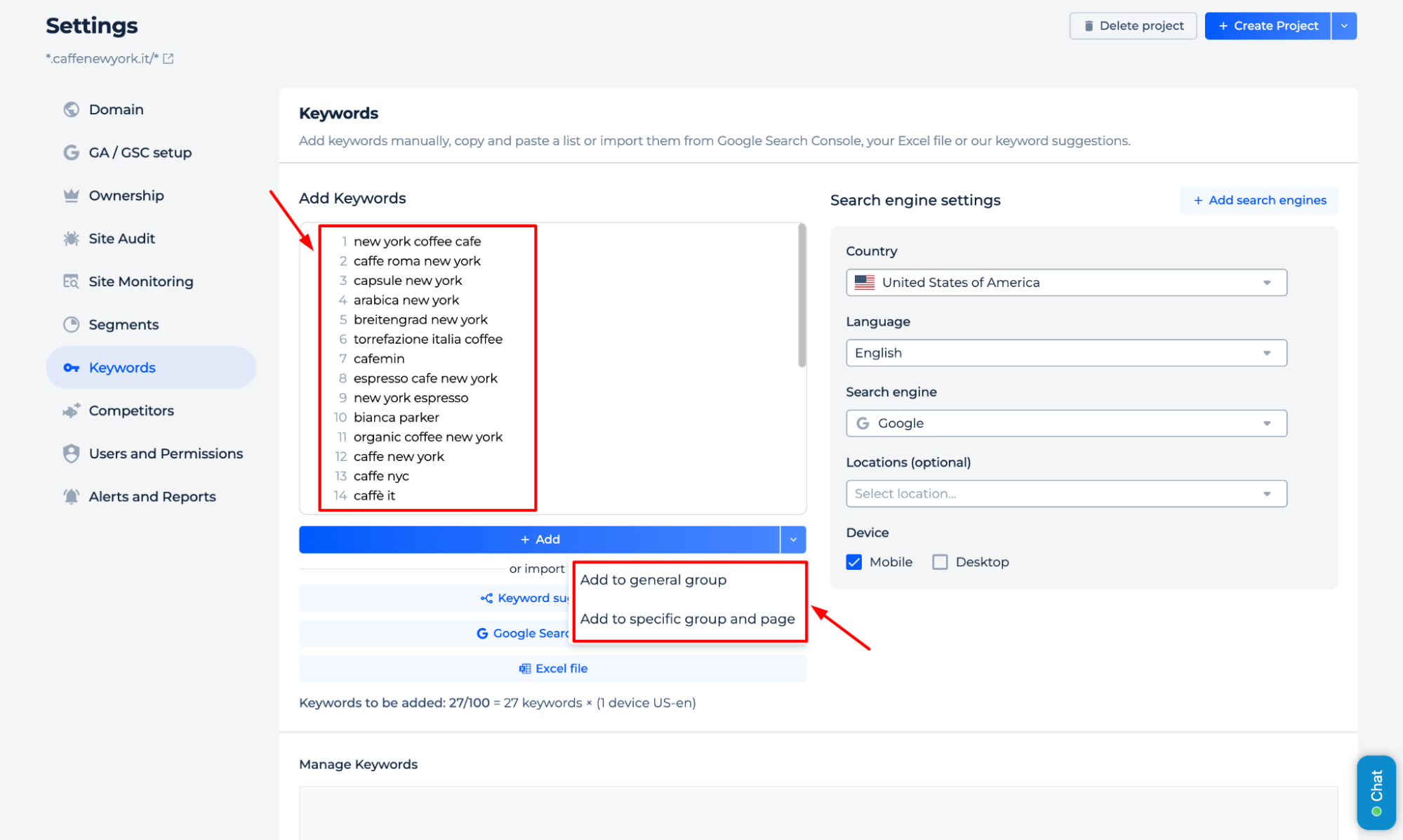
Checking Ranking for Your Website
As a website owner, monitoring your website’s ranking is crucial for understanding its performance and visibility on search engines. Here are some effective ways to check the ranking of your website:
Use Google Search Console:
Google Search Console provides valuable insights into how your site is performing in Google search results. You can track keyword rankings, click-through rates, and impressions to see how your website is appearing to users.
Utilize Online Tools:
There are several online tools available, such as SEMrush, Ahrefs, and Moz, that can help you track your website’s ranking on different search engines. These tools provide detailed analytics and reports to help you understand your website’s SEO performance.
Monitor Keyword Rankings:
Focusing on specific keywords that are relevant to your website’s content is essential. By tracking the rankings of these keywords over time, you can gauge the effectiveness of your SEO efforts and make necessary adjustments to improve your ranking.
Analyze Organic Traffic:
An increase in organic traffic is a good indicator of improved search engine rankings. Use tools like Google Analytics to monitor the traffic coming to your site from search engines and track any fluctuations in traffic levels.
Check Competitors’ Rankings:
Comparing your website’s ranking with that of your competitors can provide valuable insights into areas where you can improve. Analyze their strategies and identify opportunities to enhance your own SEO efforts.
Regularly checking the ranking of your website is essential for staying competitive in the online space. By using the right tools and monitoring key metrics, you can make informed decisions to boost your website’s visibility and drive more organic traffic.
9 Essential Tips for Monitoring and Improving Your Website’s Search Engine Ranking
- Regularly check your website’s ranking on search engines like Google, Bing, and Yahoo.
- Use tools like Google Search Console and Bing Webmaster Tools to monitor your website’s performance.
- Focus on relevant keywords that are important for your business or niche.
- Monitor your competitors’ rankings to identify areas for improvement.
- Optimize your website’s content, meta tags, and headings for better search engine visibility.
- Improve your website’s loading speed as it can impact your search engine ranking.
- Earn backlinks from reputable websites to boost your website’s authority and ranking.
- Ensure mobile-friendliness of your website as mobile usability is a key ranking factor.
- Regularly update your website with fresh content to show search engines that it is active and relevant.
Regularly check your website’s ranking on search engines like Google, Bing, and Yahoo.
It is important to regularly check your website’s ranking on popular search engines such as Google, Bing, and Yahoo. Monitoring your website’s position in search results allows you to assess the effectiveness of your SEO strategies and track any fluctuations in visibility. By staying informed about how your website is performing on these search engines, you can make informed decisions to improve your online presence and drive more traffic to your site.
Use tools like Google Search Console and Bing Webmaster Tools to monitor your website’s performance.
To effectively track your website’s performance and ranking on search engines, it is recommended to utilise tools such as Google Search Console and Bing Webmaster Tools. These valuable resources offer detailed insights into how your website is performing in search results, allowing you to monitor key metrics like keyword rankings, click-through rates, and impressions. By regularly analysing the data provided by these tools, you can make informed decisions to improve your website’s visibility and optimise its SEO strategy for better online presence.
Focus on relevant keywords that are important for your business or niche.
Focusing on relevant keywords that are important for your business or niche is a key strategy in improving your website’s ranking. By targeting specific keywords that align with your content and audience’s search intent, you can increase the chances of your website appearing higher in search engine results. Understanding the significance of using relevant keywords and incorporating them strategically throughout your website can significantly impact your SEO performance and ultimately drive more organic traffic to your site.
Monitor your competitors’ rankings to identify areas for improvement.
Monitoring your competitors’ rankings is a valuable strategy to identify areas for improvement in your own website’s performance. By comparing your ranking with that of your competitors, you can gain insights into their SEO strategies and tactics that may be contributing to their success. Analyzing their strengths and weaknesses can help you pinpoint opportunities to enhance your own SEO efforts, refine your content strategy, and ultimately boost your website’s visibility and competitiveness in the online landscape.
Optimize your website’s content, meta tags, and headings for better search engine visibility.
To improve your website’s ranking and visibility on search engines, it is essential to optimise your website’s content, meta tags, and headings. By incorporating relevant keywords strategically within your content, meta tags, and headings, you can enhance your website’s chances of appearing higher in search results. Crafting compelling and informative content that resonates with both users and search engine algorithms is key to attracting organic traffic. Additionally, ensuring that your meta tags accurately reflect the content of each page can help search engines understand the relevance of your website to users’ queries. By focusing on these key elements of on-page SEO, you can boost your website’s search engine visibility and attract more potential visitors.
Improve your website’s loading speed as it can impact your search engine ranking.
Improving your website’s loading speed is a crucial step in enhancing your search engine ranking. Search engines like Google consider page speed as a ranking factor, as it directly impacts user experience. A faster-loading website not only improves user satisfaction but also increases the likelihood of higher search engine visibility. By optimising your website’s loading speed through techniques such as image compression, minifying code, and leveraging browser caching, you can positively influence your site’s performance in search engine results pages. Prioritising speed optimisation can lead to better rankings and ultimately drive more traffic to your website.
Earn backlinks from reputable websites to boost your website’s authority and ranking.
Earning backlinks from reputable websites is a powerful strategy to enhance your website’s authority and improve its ranking on search engines. When high-quality websites link back to your content, search engines view your site as a reliable source of information, which can positively impact your search engine rankings. By building a strong backlink profile with links from trustworthy sources, you can establish credibility in your niche and increase the visibility of your website online.
Ensure mobile-friendliness of your website as mobile usability is a key ranking factor.
Ensuring the mobile-friendliness of your website is crucial in today’s digital landscape, as mobile usability plays a significant role in determining your website’s ranking on search engines. With the increasing number of users accessing websites on mobile devices, search engines prioritise mobile-friendly sites to provide a seamless user experience. By optimising your website for mobile devices, you not only improve user engagement but also boost your chances of ranking higher in search results. Invest in responsive design and user-friendly navigation to enhance the mobile usability of your website and strengthen its position in search engine rankings.
Regularly update your website with fresh content to show search engines that it is active and relevant.
Regularly updating your website with fresh content is a key strategy to demonstrate to search engines that your site is active and relevant. By consistently adding new and engaging content, you signal to search engine algorithms that your website is a valuable source of information for users. This can help improve your website’s ranking by increasing its visibility in search results and attracting more organic traffic. Keeping your content up-to-date not only benefits your SEO efforts but also enhances the overall user experience, encouraging visitors to return to your site for the latest updates and information.
Tags: ahrefs, analytics, check ranking for my website, competitors' rankings, google search console, keyword rankings, monitoring, moz, online tools, organic traffic, search engines, semrush, seo strategies, visibility, website ranking