
The Importance of Full Body Harness in Safety
When it comes to working at heights or in hazardous environments, ensuring the safety of workers is paramount. One essential piece of safety equipment that plays a crucial role in fall protection is the full body harness.
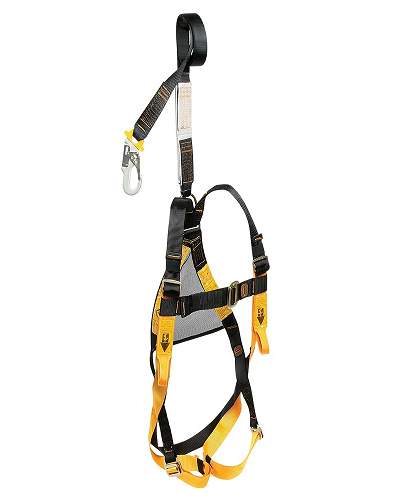
A full body harness is designed to distribute the force of a fall throughout the entire body, reducing the risk of serious injuries. It consists of straps that go over the shoulders, around the torso, and around the legs, creating a secure connection between the worker and an anchorage point.
One key advantage of a full body harness is that it allows for a safe and controlled descent in case of a fall. By wearing a harness properly and connecting it to a reliable anchor point, workers can minimize the impact of a fall and prevent free falls that could result in severe injuries or fatalities.
Furthermore, full body harnesses are adjustable to fit different body sizes and shapes, ensuring comfort and proper functionality for all users. They are also equipped with various attachment points for connecting lanyards, self-retracting lifelines, or other fall protection devices.
In industries such as construction, maintenance, roofing, and telecommunications where working at heights is common, full body harnesses are indispensable tools for safeguarding workers’ lives. Employers have a legal responsibility to provide adequate fall protection equipment, including full body harnesses, and ensure that workers are trained on how to use them correctly.
In conclusion, investing in high-quality full body harnesses and providing comprehensive training on their usage is essential for maintaining a safe work environment and preventing accidents related to falls from height. By prioritizing safety through proper equipment and education, employers can protect their workforce and promote a culture of safety consciousness in the workplace.
Essential FAQs About Full Body Harnesses: Usage, Requirements, and Selection
- What is a full body harness?
- When should you use a full body harness?
- At what height is a full body harness required?
- What does a full body harness do?
- What is the life of a full body harness?
- How do I choose a full body harness?
- At what height more than full body harness should be used?
What is a full body harness?
A full body harness is a critical piece of safety equipment designed to protect individuals working at heights or in hazardous environments. It consists of straps that secure around the shoulders, torso, and legs, creating a secure connection between the wearer and an anchorage point. The primary function of a full body harness is to distribute the force of a fall throughout the entire body, reducing the risk of serious injuries in the event of a fall. By wearing a full body harness correctly and connecting it to a reliable anchor point, individuals can ensure their safety by minimizing the impact of falls and preventing free falls that could lead to severe harm or even fatalities.
When should you use a full body harness?
A full body harness should be used whenever there is a risk of falling from height or working in hazardous conditions where a fall could occur. Whether you are working on a construction site, performing maintenance tasks on elevated structures, or engaging in any activity that involves working at heights, wearing a full body harness is essential for fall protection. It is crucial to use a full body harness whenever there is a potential for a fall that could result in serious injury or fatality, as this safety equipment helps distribute the impact forces of a fall across the entire body, reducing the risk of harm. Remember, safety should always come first when working at heights, and using a full body harness is a fundamental precaution to ensure your well-being.
At what height is a full body harness required?
In the realm of workplace safety regulations, the requirement for wearing a full body harness is often dictated by the specific industry standards and guidelines. Generally, a full body harness is necessary when working at heights above a certain threshold, typically defined as any height where a fall could result in serious injury or fatality. This height can vary depending on the industry, specific job tasks, and local safety regulations. Employers are responsible for conducting thorough risk assessments to determine when full body harnesses are required to protect workers from fall hazards and ensure compliance with safety protocols.
What does a full body harness do?
A full body harness plays a critical role in ensuring the safety of workers, especially in environments where falls from height are a risk. Designed to distribute the force of a fall across the entire body, the harness helps to reduce the impact on specific parts of the body, thereby minimizing the risk of serious injuries. By connecting the worker securely to an anchorage point, a full body harness allows for a controlled descent in case of a fall, preventing free falls that could lead to severe consequences. Additionally, the adjustable straps and attachment points on a full body harness ensure a comfortable fit and enable users to connect various fall protection devices for enhanced safety while working at heights.
What is the life of a full body harness?
The lifespan of a full body harness can vary depending on several factors, including the frequency of use, environmental conditions, and proper maintenance. While there is no set expiration date for a full body harness, it is recommended to regularly inspect the harness for signs of wear and damage. Manufacturers often provide guidelines on when to retire a harness based on its condition and usage history. It is crucial to follow these recommendations and replace the harness if any defects are detected to ensure continued safety and compliance with regulations regarding fall protection equipment.
How do I choose a full body harness?
When faced with the frequently asked question, “How do I choose a full body harness?” it is important to consider several key factors to ensure the right selection. Firstly, assess the specific work environment and tasks to determine the level of protection required. Consider factors such as weight capacity, comfort features, adjustability, and attachment points for accessories like lanyards. It is crucial to select a harness that fits properly and comfortably to minimize discomfort during prolonged wear. Additionally, ensure that the chosen harness complies with relevant safety standards and regulations to guarantee optimal protection in hazardous situations. By carefully evaluating these aspects, individuals can make an informed decision when choosing a full body harness that prioritizes both safety and comfort in their work environment.
At what height more than full body harness should be used?
When determining the height at which a full body harness should be used, it is important to consider various factors beyond just the vertical distance. While there is no specific height threshold that universally dictates the use of a full body harness, it is recommended to use one whenever there is a risk of falling from a height that could result in serious injury or fatality. Factors such as the nature of the work being carried out, the presence of potential fall hazards, and the level of protection required all play a crucial role in determining when a full body harness should be worn. Ultimately, prioritising safety and conducting thorough risk assessments are key to ensuring that workers are adequately protected when working at heights.
Tags: adjustable harness, anchor point, attachment points, construction safety, fall prevention, fall protection, full body harness, height safety, safety equipment, workplace safety