
SEO Scores and Links: How They Work Together
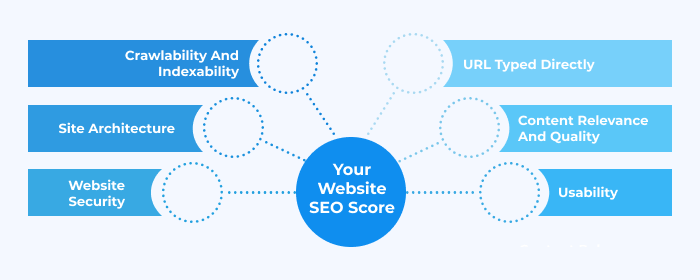
A website’s SEO score can offer a useful snapshot of how well a page follows common search engine optimisation best practices. Links are one of the factors that can influence that score, but they are only part of the picture. Helpful content, page speed, mobile usability and technical accessibility also matter.
What is an SEO score?
An SEO score is a rating produced by an online tool or audit. Different tools use different checks, so a score is not a universal measure of how a website will rank in search results. It is best treated as a starting point for identifying areas that may need attention, rather than a guarantee of performance.
Why links matter
Links help people and search engines move between pages. They can also provide context about the page being linked to. A useful link strategy includes:
- Internal links: Links between relevant pages on your own website. These help visitors find related information and help search engines discover your content.
- External links: Links to relevant, trustworthy sources that support or expand on what you have written.
- Backlinks: Links from other websites to yours. These may help search engines understand your site’s reputation, particularly when they come from relevant and credible sources.
How to check links as part of an SEO review
When reviewing an SEO score or audit, look beyond the headline number. Check whether important pages have links pointing to them, whether internal links use clear and descriptive wording, and whether any links lead to broken or outdated pages. A tool can help uncover technical issues, but each recommendation should be assessed in context.
For example, an audit might flag a page because it has few internal links. Rather than adding links at random, find other pages where a link would genuinely help readers. Use concise anchor text that explains what someone can expect to find on the linked page.
Build links for people, not just scores
Links should make a website easier to use. Avoid adding excessive links, repeating the same keyword-rich anchor text unnaturally, or pursuing low-quality links simply to improve a tool’s rating. Focus instead on creating useful content, organising it clearly and earning links through material that others genuinely want to reference.
Use SEO scores as a guide
A good SEO score can highlight progress, but it does not replace sound judgement. Review the recommendations, prioritise issues that affect visitors and search engines, and monitor results over time. When links are relevant, accessible and well maintained, they can support both a better user experience and a stronger overall SEO strategy.
8 Tips to Improve Your SEO Score and Link Strategy
- Check your SEO score regularly.
- Use descriptive anchor text for links.
- Link to relevant, trustworthy pages.
- Fix broken links promptly.
- Keep important pages easy to reach.
- Avoid excessive exact-match anchor text.
- Earn links from reputable websites.
- Review internal links after site updates.
Check your SEO score regularly.
Check your SEO score regularly to spot potential issues and track improvements over time. Use it as a helpful guide rather than a definitive measure of search performance, as scores vary between tools and do not guarantee rankings. Review any recommendations carefully, prioritise changes that improve the experience for visitors, and check your key pages and links remain relevant, accessible and up to date.
Use descriptive anchor text for links.
Use descriptive anchor text so readers and search engines can understand what a link leads to before they click it. Choose concise, relevant wording that reflects the destination page, rather than vague phrases such as “click here” or overly repetitive keyword-heavy text. Clear anchor text makes links easier to use, improves accessibility and can support a stronger SEO score.
Link to relevant, trustworthy pages.
Link to relevant, trustworthy pages to give readers useful further information and help search engines understand the context of your content. Choose sources that are reputable and closely related to the topic, and use clear, descriptive link text so visitors know what to expect before they click.
Fix broken links promptly.
Fix broken links promptly to give visitors a smooth experience and help search engines crawl your website effectively. Regularly check for links that lead to missing pages, then update them to the correct destination or remove them if they are no longer relevant. If a page has moved, redirect its old URL to the most suitable replacement. This simple maintenance task can support your SEO score while keeping your content useful and trustworthy.
Keep important pages easy to reach.
Keep important pages easy to reach by linking to them from relevant areas of your website, such as the main navigation, category pages and related articles. Clear internal links help visitors find key information quickly and make it easier for search engines to discover and understand your pages. Use descriptive link text so people know where each link leads, and check regularly for broken links or pages that are buried too deep in your site.
Avoid excessive exact-match anchor text.
Avoid using the same exact-match anchor text repeatedly when linking to a page. Although descriptive links help visitors and search engines understand what a destination is about, overusing identical keyword phrases can make your links feel unnatural and may look manipulative. Use clear, relevant wording that fits the surrounding text, varying it naturally where appropriate.
Earn links from reputable websites.
Earn links from reputable websites by creating useful, reliable content that others will want to reference. Links from relevant, trusted sources can help search engines understand your site’s credibility and may support its visibility in search results. Focus on building genuine relationships and earning links naturally, rather than buying links or using schemes that could harm your SEO.
Review internal links after site updates.
After updating your website, review its internal links to make sure they still point to the right pages. Page moves, deleted content and changes to your navigation can leave broken links or make important information harder to find. Fix outdated links, update any affected anchor text and check that key pages remain easy for visitors and search engines to reach.
Tags: anchor text, backlinks, external links, helpful content, internal links, link maintenance, link strategy, links, mobile usability, page speed, relevant sources, search engine optimisation, search engines, search rankings, seo audit, seo score, seo score link, technical accessibility, trustworthy pages, user experience, website performance