
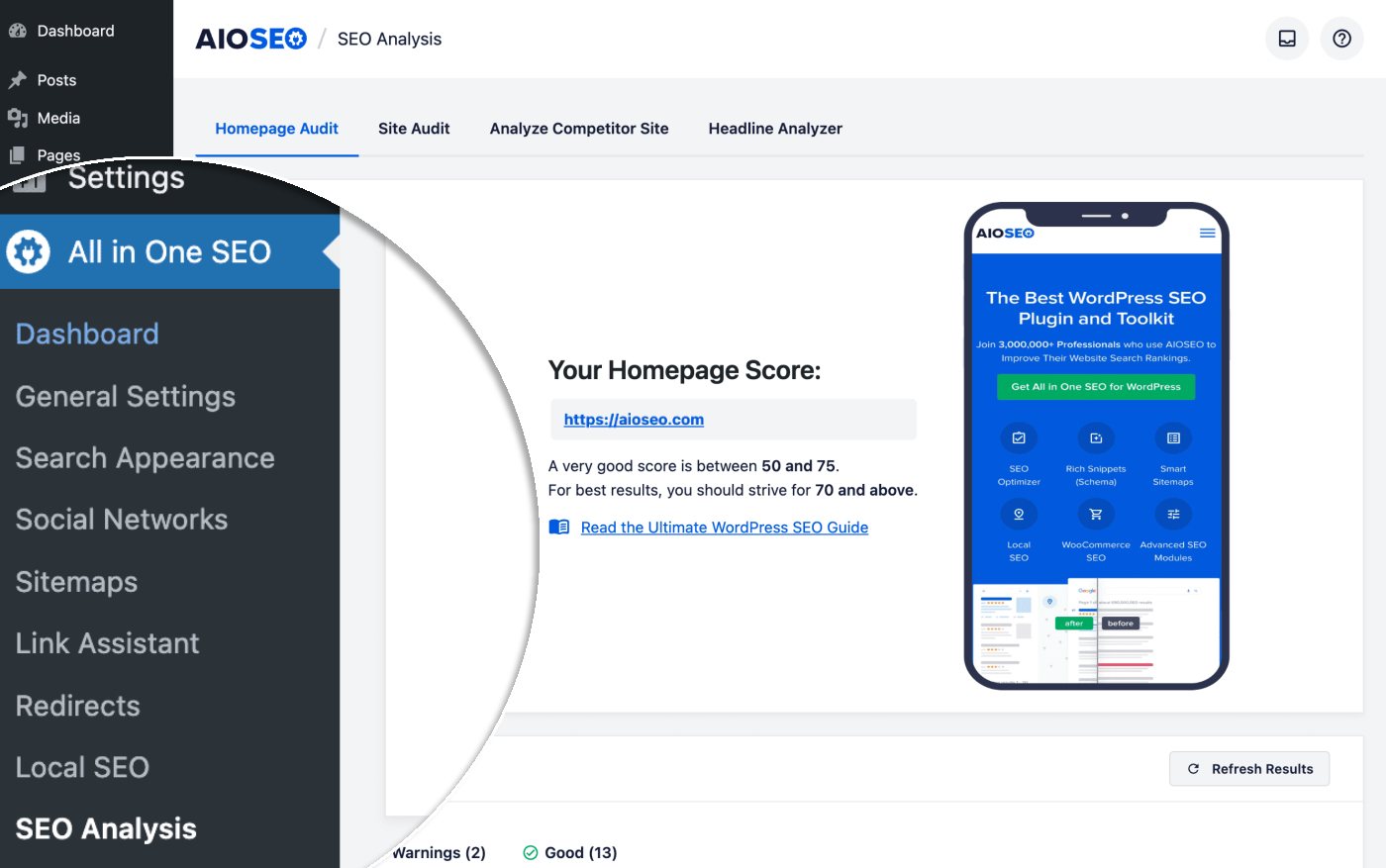
How to Analyze a Page for SEO Success
Search Engine Optimization (SEO) is crucial for improving a website’s visibility and ranking on search engine results pages. Analyzing a page for SEO involves various factors that contribute to its performance. Here are key steps to effectively analyze a page for SEO:
Keyword Research:
Identify relevant keywords that your target audience is likely to use when searching for your content or products. Use tools like Google Keyword Planner or SEMrush to discover high-volume, low-competition keywords.
On-Page Optimization:
Optimize the page title, meta description, headings, and content with the chosen keywords. Ensure that the content is well-structured, engaging, and provides value to users.
Content Quality:
Create high-quality, original content that addresses the user’s search intent. Include multimedia elements like images and videos to enhance user experience and engagement.
Mobile-Friendliness:
Check if the page is mobile-responsive and provides a seamless experience across different devices. Mobile-friendliness is a critical factor in SEO rankings.
Page Speed:
Optimize the page loading speed by compressing images, minifying CSS and JavaScript files, and leveraging browser caching. Faster-loading pages tend to rank higher in search results.
Internal Linking:
Create internal links within the content to connect related pages on your website. Internal linking helps search engines understand the site structure and improves indexing of pages.
Backlink Analysis:
Evaluate the quality and quantity of backlinks pointing to the page from external websites. High-quality backlinks from authoritative sites can boost the page’s SEO performance.
Monitoring and Adjustments:
Regularly monitor the page’s performance using tools like Google Analytics and Search Console. Analyze key metrics such as organic traffic, bounce rate, and keyword rankings to make informed adjustments for better SEO results.
By following these steps and continuously optimizing your pages for SEO, you can enhance their visibility, attract more organic traffic, and improve your website’s overall performance in search engine rankings.
7 Essential Tips for Analysing Page SEO Effectively
- 1. Conduct keyword research to identify relevant keywords for the page.
- 2. Analyze the page’s content structure and ensure it is well-organised with proper headings and subheadings.
- 3. Check for proper meta tags including title tag, meta description, and meta keywords.
- 4. Evaluate the page loading speed and make necessary optimizations for faster load times.
- 5. Review internal and external links on the page to ensure they are relevant and working correctly.
- 6. Examine the mobile-friendliness of the page to cater to mobile users effectively.
- 7. Monitor user engagement metrics such as bounce rate, time on page, and click-through rate to gauge performance.
1. Conduct keyword research to identify relevant keywords for the page.
To effectively optimize a webpage for SEO success, it is essential to conduct thorough keyword research to pinpoint the most relevant and high-performing keywords for the content. By identifying keywords that align with the target audience’s search queries, website owners can strategically incorporate these terms into the page title, meta description, headings, and content. This strategic use of keywords not only enhances the page’s visibility on search engine results pages but also improves its chances of attracting organic traffic from users actively searching for related information or products. Conducting keyword research is a fundamental step in SEO analysis that lays a solid foundation for driving targeted traffic to the webpage.
2. Analyze the page’s content structure and ensure it is well-organised with proper headings and subheadings.
To enhance the SEO performance of a webpage, it is essential to analyse the content structure meticulously and ensure it is well-organised with appropriate headings and subheadings. A clear and logical hierarchy of headings not only improves the readability for users but also helps search engines understand the context and relevance of the content. By strategically incorporating headings and subheadings that include relevant keywords, website owners can signal the importance of specific sections to search engines, ultimately boosting the page’s visibility and ranking in search results.
3. Check for proper meta tags including title tag, meta description, and meta keywords.
When analysing a page for SEO, it is essential to check for proper meta tags, including the title tag, meta description, and meta keywords. The title tag should accurately reflect the content of the page and contain relevant keywords to improve search engine visibility. The meta description provides a brief summary of the page’s content, enticing users to click through from search results. While meta keywords are no longer a significant ranking factor, they can still be used to reinforce the page’s main topics. Ensuring these meta tags are optimised can enhance the page’s relevance and click-through rate in search engine results pages.
4. Evaluate the page loading speed and make necessary optimizations for faster load times.
When analysing a page for SEO, it is crucial to evaluate the page loading speed and implement necessary optimizations to ensure faster load times. A website’s speed plays a significant role in user experience and search engine rankings. By reducing loading times through techniques such as image compression, minifying CSS and JavaScript files, and leveraging browser caching, you can enhance the performance of the page. Faster-loading pages not only improve user satisfaction but also contribute to higher search engine visibility and better SEO results.
5. Review internal and external links on the page to ensure they are relevant and working correctly.
Reviewing internal and external links on a webpage is a critical step in SEO analysis. Ensuring that these links are relevant and functional is essential for providing a seamless user experience and improving search engine rankings. By checking the quality and relevance of internal links, you can enhance site navigation and help search engines understand the site’s structure better. Similarly, verifying the accuracy and credibility of external links can contribute to building authority and trustworthiness for your website. Regularly reviewing and maintaining these links will not only benefit SEO performance but also enhance user engagement and overall site usability.
6. Examine the mobile-friendliness of the page to cater to mobile users effectively.
To enhance the page’s SEO performance, it is essential to examine its mobile-friendliness to cater effectively to mobile users. With the increasing use of smartphones and tablets for browsing the internet, ensuring that the page is responsive and provides a seamless experience across various devices is crucial. By prioritizing mobile-friendliness, you can improve user engagement, reduce bounce rates, and potentially boost your search engine rankings. Remember that search engines like Google prioritize mobile-friendly websites in their rankings, making this aspect a key factor in SEO success.
7. Monitor user engagement metrics such as bounce rate, time on page, and click-through rate to gauge performance.
Monitoring user engagement metrics is a crucial aspect of analysing a page for SEO success. By tracking metrics like bounce rate, time on page, and click-through rate, website owners can gain valuable insights into how users interact with their content. A high bounce rate may indicate that the page is not meeting user expectations, while a longer time on page suggests that the content is engaging and relevant. Similarly, a high click-through rate signifies that users are finding the page compelling enough to explore further. By regularly monitoring these metrics and making adjustments based on the data, website owners can improve user experience, enhance SEO performance, and ultimately drive more traffic to their site.
Tags: analyze page for seo, backlink analysis, content quality, internal linking, keyword research, mobile-friendliness, monitoring and adjustments, on-page optimization, page speed